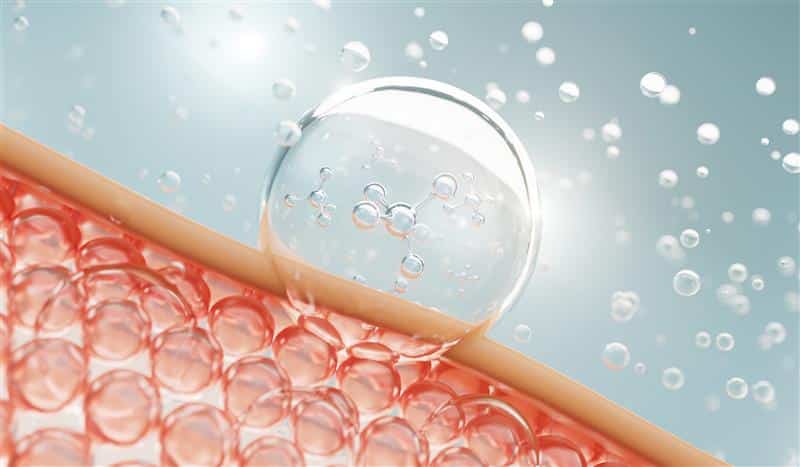
PDRN’s Evolution: Expanding from Clinical Injectables to Oral Nutraceuticals
Polydeoxyribonucleotide (PDRN) has evolved from a niche cosmetic and medical ingredient into a broader nutraceutical category with expanding global demand. PDRN supplements, derived primarily from purified salmon or trout DNA fragments, are now being positioned for regenerative health, anti-aging and general wellness, tapping into rising consumer interest in non-invasive, science-backed supplements.
According to a recent industry forecast, the global PDRN supplements market is expected to grow from an estimated USD 897.8 million in 2025 to USD 1,580.0 million by 2035, with a compound annual growth rate (CAGR) of 5.8% over that period.[1] Growth is being driven by clinical validation of PDRN’s regenerative potential, rising consumer preference for preventative wellness, and an expanding pipeline of oral and functional delivery formats that broaden accessibility beyond traditional injectable and topical applications.
Historically, PDRN gained attention through its role in clinical dermatology and regenerative medicine, where injectable formulations are used for wound healing, scar repair and anti-aging applications owing to their ability to promote angiogenesis, collagen synthesis and tissue repair pathways.[2,3] However, regulatory constraints and invasive delivery have limited their appeal outside professional clinics, prompting formulation scientists to explore oral supplements and other non-invasive formats as a next frontier for the ingredient.
Understanding PDRN
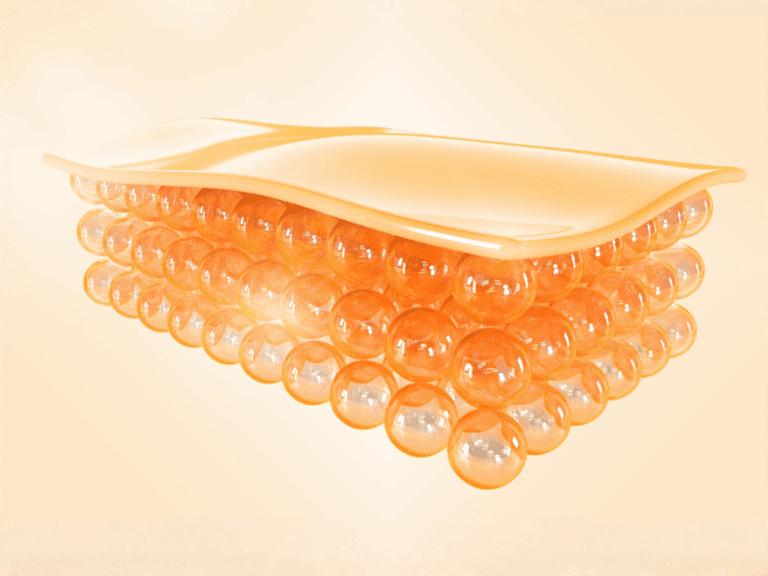
PDRN (polydeoxyribonucleotide) refers to purified DNA fragments, traditionally derived from salmon or trout milt, though plant-based and vegan sources are also being explored. These fragments typically range from 50 to 1500 base pairs in length and are naturally degradable in the body.[4]
Mechanistically, PDRN has been studied for its ability to interact with biological pathways involved in tissue repair and inflammation modulation. Research suggests that PDRN may support regenerative processes through activation of adenosine A2A receptor pathways, contributing to anti-inflammatory signaling and cellular restoration.[5] This scientific rationale has historically underpinned its use in dermatology and wound-repair applications, and it is now shaping interest in oral supplementation.
From Injectables to Oral Solutions: A New Phase for PDRN
PDRN first gained widespread recognition through injectable applications in aesthetic medicine, where it has been used to support skin repair, collagen synthesis, and visible rejuvenation. However, injectable delivery is limited to clinical settings and is not accessible or desirable for all consumers. This has created momentum for a new wave of innovation: oral PDRN supplements.
Oral delivery represents an important shift, allowing brands to position PDRN within:
- Daily nutricosmetic routines
- Regenerative wellness systems
- Preventative healthy-aging strategies
- Functional beauty supplements beyond professional procedures
TCI’s product development materials reflect this expansion, highlighting the growing role of PDRN not only in skincare and post-procedure care, but also in food supplements and oral-use formats.
Applicable Delivery Formats

Glass Bottles

Powder & Liquid Sachets

Tablets & Capsules

Pouches
Formulation Innovation: Synergies in Next-Gen Nutricosmetics
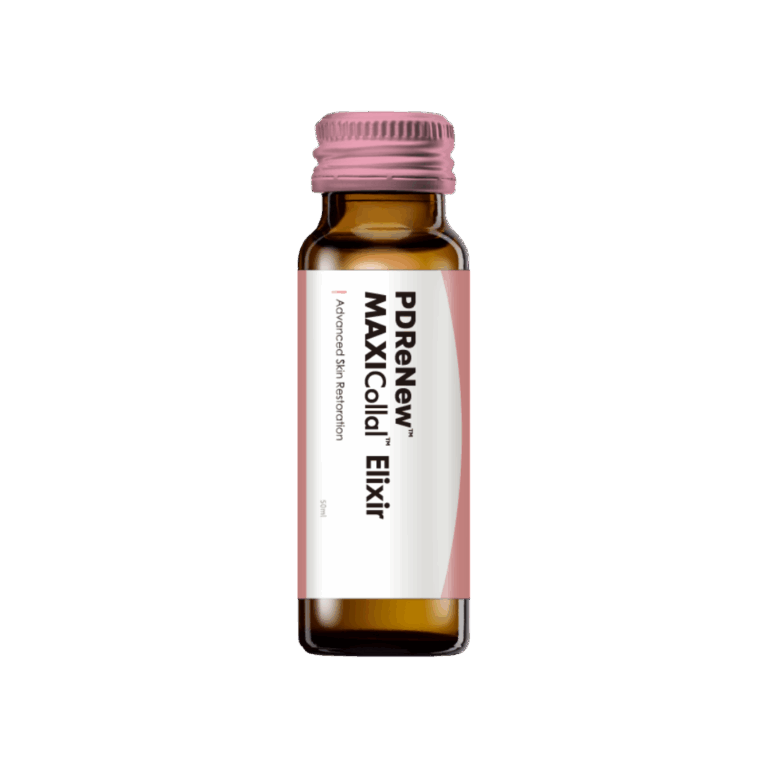
Beyond its standalone potential, PDRN is also drawing interest as part of multi-ingredient regenerative formulations, particularly when paired with collagen-support actives. Combining PDRN’s proposed role in cellular repair signaling with highly bioavailable collagen peptides may offer a complementary approach for brands targeting skin structure and resilience from within. TCI’s exclusive MaxiCollal collagen tripeptides formulation is one such ingredient positioned for beauty-from-within applications, reflecting a broader trend toward synergistic nutricosmetic systems that support both tissue renewal pathways and structural protein maintenance.
This type of formulation strategy aligns with the broader industry move toward layered approaches that support both cellular-level renewal and visible structural components of skin health.
Despite robust interest, PDRN supplements face several headwinds. Bioavailability after oral consumption remains a key research question, and standardization of molecular weight and extraction methods will be crucial for consistent efficacy across products. Clinical trials in larger, diverse populations are also needed to validate systemic benefits beyond skin-targeted outcomes. Moreover, clear regulatory positioning particularly in markets with strict supplement claims policies will shape how these products are marketed and perceived.
However, the broader trend toward non-invasive regenerative nutrition and functional supplementation suggests that PDRN’s evolution from injectable therapies into oral wellness solutions may represent a meaningful growth vector for formulators and brands seeking differentiated, science-aligned ingredients.
The PDRN supplements trend illustrates how ingredients with clinical heritage can transition into the mainstream nutraceutical space when backed by biology, consumer demand and innovation in delivery formats. As oral PDRN formulations mature while supported by improving formulation science and expanding market pipelines, this class of supplements could redefine consumer expectations for regenerative and anti-aging functional nutrition.
References
1. PDRN supplements market. (2025). Future Market Insights. https://www.futuremarketinsights.com/reports/pdrn-supplements-market
2. Murden, K. (2026, January 16). 7 K-beauty trends shaping 2026. Vogue. https://www.vogue.com/article/k-beauty-trends-2026
3. NBCUniversal News Group. (2025, August 28). The secret to perfect skin is … salmon sperm? what derms want you to know. NBCNews.com. https://www.nbcnews.com/select/shopping/salmon-sperm-skin-care-rcna227796
4. Squadrito, F., Bitto, A., Irrera, N., Pizzino, G., Pallio, G., Minutoli, L., & Altavilla, D. (2017). Pharmacological Activity and Clinical Use of PDRN. Frontiers in pharmacology, 8, 224. https://doi.org/10.3389/fphar.2017.00224
5. Squadrito, F., Bitto, A., Altavilla, D., Arcoraci, V., De Caridi, G., De Feo, M. E., Corrao, S., Pallio, G., Sterrantino, C., Minutoli, L., Saitta, A., Vaccaro, M., & Cucinotta, D. (2014). The effect of PDRN, an adenosine receptor A2A agonist, on the healing of chronic diabetic foot ulcers: results of a clinical trial. The Journal of clinical endocrinology and metabolism, 99(5), E746–E753. https://doi.org/10.1210/jc.2013-3569
Partner with TCI
Connect with our experts to explore how TCI's solutions can support your product development and long-term growth.